Astrologer Manjit Singh ✆+91 9915023797

The Science Behind Vedic Astrology: How Planetary Movements Shape Our Destiny
Discover how Vedic astrology decodes planetary movements and their profound impact on human destiny.
Manjit Singh Astrologer
5/8/20242 min read
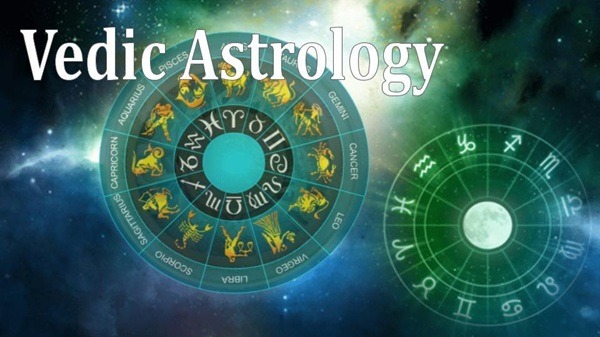
The Science Behind Vedic Astrology: How Planetary Movements Shape Our Destiny
Vedic astrology, or Jyotish Shastra, is one of the most ancient systems of understanding life, destiny, and the cosmic order. Rooted in the Vedas, it is not mere fortune-telling but a divine science that studies the influence of planetary movements on human beings. In today’s fast-paced world, when uncertainty dominates, people often turn to Vedic astrology to find direction, clarity, and purpose. But what makes Vedic astrology so unique and powerful compared to other forms of astrology?
Origins of Vedic Astrology
Vedic astrology dates back more than 5,000 years and was revealed by sages through divine wisdom. The term Jyotish means "the science of light," referring to the light of celestial bodies that guide human life. Unlike Western astrology, which is largely based on the tropical zodiac, Vedic astrology uses the sidereal zodiac, which considers the actual positions of stars and constellations. This makes Vedic astrology more accurate and deeply aligned with cosmic reality.
The Core Principles of Vedic Astrology
Vedic astrology is based on three fundamental components:
Planets (Grahas): Nine grahas, including the Sun, Moon, Mars, Mercury, Jupiter, Venus, Saturn, Rahu, and Ketu, play a central role. Each planet governs specific aspects of life, from intellect to emotions, wealth to spirituality.
Houses (Bhavas): The horoscope has 12 houses, each representing different areas of life such as health, career, family, and marriage.
Zodiac Signs (Rashis): The 12 zodiac signs act as filters through which planetary energies are expressed.
The interplay between planets, houses, and zodiac signs determines an individual’s life events, challenges, and opportunities.
How Planetary Movements Influence Life
Every planet emits specific vibrations and energies that influence human behavior and situations. For example:
The Moon governs the mind and emotions. A weak moon may bring mental stress, while a strong moon gives peace and stability.
Jupiter is the planet of wisdom and prosperity. A favorable Jupiter brings growth, learning, and wealth.
Saturn, though feared, is the karmic teacher who rewards discipline and hard work.
Planetary transits (gochar) and dashas (planetary periods) are used to predict when events are likely to unfold in life.
Difference Between Vedic and Western Astrology
While Western astrology focuses mainly on the Sun sign, Vedic astrology looks at the Moon sign and ascendant (Lagna) for precise analysis. This is why many people find Vedic predictions more accurate and practical.
Practical Applications of Vedic Astrology
Career Guidance: Choosing the right profession based on planetary strengths.
Marriage and Compatibility: Kundli matching ensures harmony in relationships.
Health Analysis: Identifying potential health issues and suggesting remedies.
Finance & Wealth: Forecasting favorable periods for investments and growth.
Spiritual Growth: Aligning life choices with higher cosmic principles.
Remedies in Vedic Astrology
Astrology is not fatalistic; it provides remedies to minimize negative influences and strengthen positive ones. Remedies include:
Mantras & Pujas: Chanting specific mantras to balance planetary energies.
Gemstones: Wearing gemstones like ruby, emerald, or sapphire to harness planetary vibrations.
Yantras: Sacred geometrical devices that channel cosmic energy.
Charity & Fasting: Acts of selflessness to reduce planetary malefic effects.
Why People Trust Vedic Astrology Today
Even in the age of science and technology, Vedic astrology continues to guide millions because it is not superstition but a combination of astronomy, mathematics, psychology, and spirituality. Many successful leaders, entrepreneurs, and spiritual seekers consult astrology to align their decisions with cosmic timing.
Conclusion
Vedic astrology is not about predicting doom or luck—it is about understanding karma, timing, and the cosmic order. By studying the planets and their movements, we gain clarity on our strengths, challenges, and life path. It reminds us that while destiny is written in the stars, remedies and conscious living help us shape a brighter future.
Consultations
Expert astrology, vastu, Gem stone and numerology ,services/ consultation offered.
Numerologist in Ludhiana
Astrologer in Ludhiana
Vastu Consultant in Ludhiana
Gem Stone Specialist in Ludhiana
Contact
Office: Plot no-1, Dugri Phase-1 Market Ludhiana. 141002
© 2025. All rights reserved.
KUNDLI CONSULTATION FEE INR 1100/-
VASTU VISITING FEE INR 11000/-


Pay through UPI Scanner